
Diamond Painting Blog
Diamond Painting for Anxiety: The Surprising Science Behind This Calming Craft

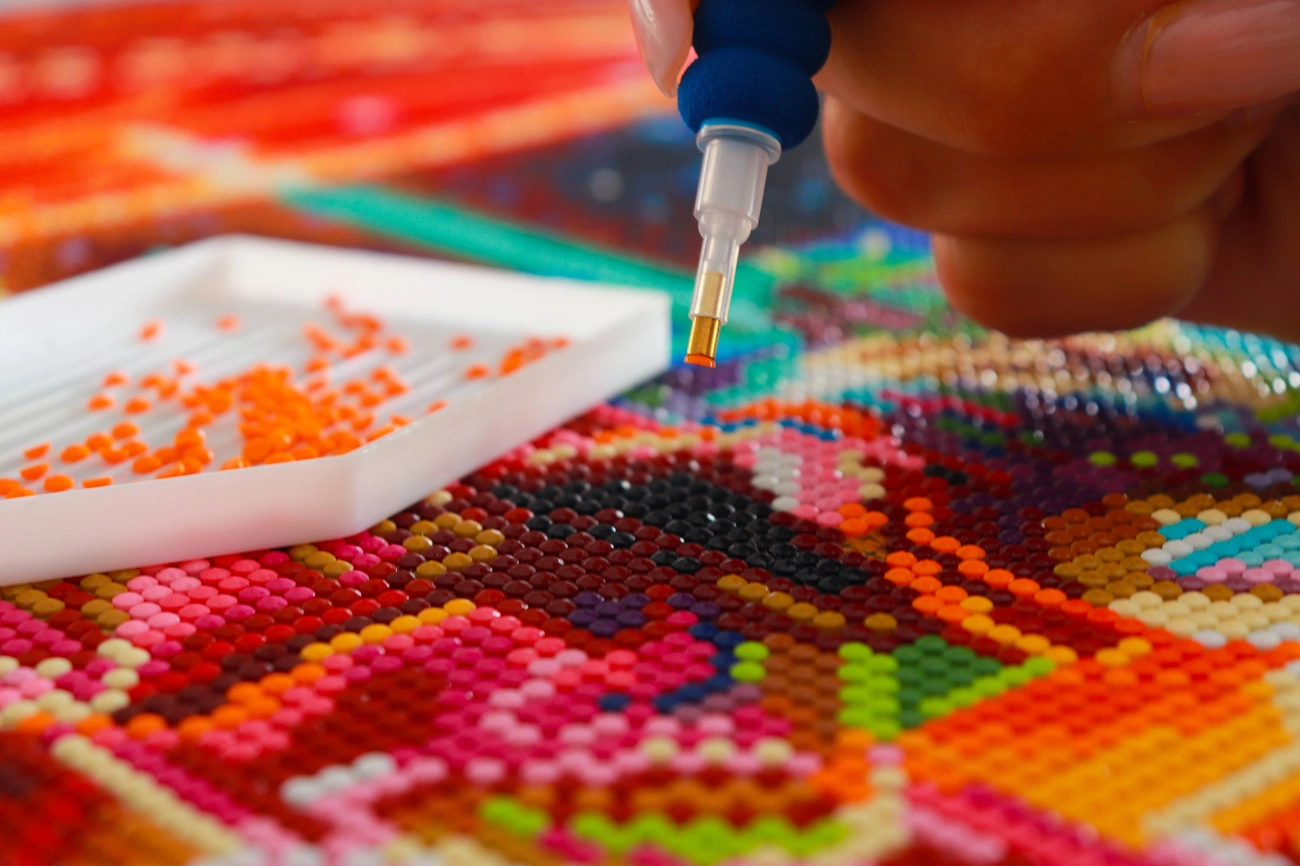
Diamond painting for anxiety might sound like an unconventional solution, but the science behind this craft is surprisingly compelling. Many community members report feeling calmer after just 15 minutes of diamond painting, and the repetitive, meticulous process helps shift your nervous system from 'fight or flight' to 'rest and restore'. The benefits of diamond painting extend beyond simple relaxation. In fact, studies have shown that engaging in creative activities can reduce stress and improve mood. What is diamond painting, exactly, and is diamond painting good for anxiety? Throughout this guide, we'll explore what diamond art truly is, examine the therapeutic benefits backed by research, and show you how to make this calming craft work for your mental wellness routine.
What Is Diamond Painting and Why Is It Gaining Attention
The basics of diamond painting
Picture a craft that combines the satisfaction of puzzles with the visual appeal of mosaic art. Diamond painting uses tiny resin "diamonds" (also called drills) that measure just 2.5 millimeters. You place these faceted gems onto a pre-printed, adhesive canvas marked with color-coded symbols. Each symbol corresponds to a specific diamond color, creating a paint-by-numbers effect with sparkling results.
The process requires minimal tools. Your kit includes a diamond pen (a stylus tool), soft pink wax, a grooved tray, and packets of sorted diamonds identified by color numbers. You dip the pen tip into the wax, which creates the stickiness needed to pick up each individual gem. Pour a small amount of diamonds into the tray, shake gently so they sit flat, then use the pen to place each one onto its matching symbol on the sticky canvas.
What is diamond art without its defining characteristic? The satisfying "click" as each gem settles into place. This tactile feedback creates an almost addictive quality that keeps crafters engaged for hours.
How it differs from other crafts
Unlike paint by number, where shaky hands or depth perception issues can create messy results, diamond painting allows you to fix crooked lines easily. The pre-printed canvas eliminates the guesswork. Instead of mixing paints or creating stitches, you're essentially building a sparkling mosaic one piece at a time.
Cross-stitch enthusiasts will notice similarities, but diamond painting progresses faster. You can complete projects in shorter timeframes compared to similar-sized cross-stitch pieces because placing diamonds requires less technical skill than creating uniform stitches. The image appears pixelated, which actually teaches you to evaluate contrast and simplify visual elements.
Why people turn to it for anxiety relief
The therapeutic appeal isn't accidental. People working high-stress jobs find that turning their brain off to something not on a screen provides essential decompression. An HR professional supporting 2,700 employees described putting their phone on airplane mode and experiencing relief at day's end. A registered nurse used diamond painting to escape daily life-and-death challenges.
The mechanical process that repeats over and over creates a grounding effect. For those with ADHD, it provides focus for hours at a time. Someone recently diagnosed with autism reported that their therapist suggested diamond painting to work on focus and calming, noting that "all the tabs in my brain close". Others describe improved sleep after sessions, finding that the craft slows racing thoughts without requiring excessive mental energy.
The Science Behind Diamond Painting's Calming Effects
How repetitive motion affects the nervous system
Repetitive behaviors reduce anxiety by increasing cognitive load. When you place diamond after diamond onto the canvas, your mind focuses on the physical task rather than spiraling thoughts. Research from Tel Aviv University found that repetitive behavior developed across species as a method to manage stress caused by unpredictable environments. This behavior heightens your belief that you're in control of situations that feel overwhelming.
The motion works in two ways. First, it redirects mental and physical focus away from anxiety-inducing stimuli. After a short while, your mind slips from a conscious, active state to a subconscious, passive, calming state. Second, you release actual energy through repeated actions in a steady manner, burning off unwanted negative energy stored in your mind and body.
The role of mindfulness in reducing anxiety
Mindfulness-based interventions have demonstrated efficacy in reducing anxiety and depression. Diamond painting creates a naturally mindful state without formal meditation training. Studies show these interventions effectively reduce experiences of anxiety, depression, and stress. Mindful decentering interventions can decrease anxiety independently of expectations.
Why tactile activities calm an overactive mind
Your sense of touch offers a direct pathway to mental calm. Physical sensations activate the parasympathetic nervous system, your body's built-in relaxation response. These techniques bypass the thinking brain stuck in overdrive. Deep pressure from handling diamonds increases serotonin production while decreasing cortisol levels.
The brain's reward system and small accomplishments
Each completed diamond triggers a dopamine release in your brain's reward center. Your brain doesn't distinguish between huge achievements and small wins, meaning every placed gem provides the same neurological boost as finishing major projects. These small victories create a positive feedback loop, building confidence and momentum.
Unexpected Cognitive and Emotional Benefits of Diamond Painting
Improved focus and attention span
Crafting strengthens cognitive abilities that extend beyond the craft table. Research shows that engaging in creative activities can bolster concentration and improve mental agility. The precise placement required in diamond painting trains your brain to sustain attention on a single task, which strengthens executive functioning over time.
For those managing ADHD or scattered thinking patterns, structured activities provide practice with sustained attention. Each session builds your capacity to filter out distractions and maintain focus longer. The benefits carry over into work tasks, reading, and conversations where concentration feels difficult.
Visual-spatial processing and problem-solving skills
Determining spatial relationships matters in everyday tasks. Diamond painting requires you to interpret patterns, understand how individual pieces create larger images, and recognize color relationships. This process engages the same cognitive skills you use when following directions, organizing physical spaces, or estimating distances.
Craft activities involve cognitive processes like problem-solving and decision-making. When you encounter misaligned diamonds or need to correct errors, you're exercising analytical thinking in a low-stakes environment. These small challenges build resourcefulness that translates to real-world situations.
Boosting self-confidence through completion
Finishing a diamond painting creates tangible proof of capability. Research indicates that crafts raise self-esteem and improve mood. The visible progress from blank canvas to completed artwork provides concrete evidence of your skills and persistence.
Over half of research participants reported feeling a sense of accomplishment through crafting. Unlike many anxiety-management techniques that produce invisible results, diamond painting gives you something to hold, display, and share.
Creating a sense of control during uncertain times
Anxiety often stems from feeling powerless over circumstances. Crafting provides a calming effect by diverting attention from everyday worries. When external situations feel chaotic, controlling every diamond placement offers reassurance that you can manage at least one aspect of your environment. This small zone of control helps restore a sense of agency during uncertain periods.
Making Diamond Painting Work for Your Anxiety
Choosing calming designs and color palettes
Select diamond art kits featuring soothing colors like green and blue, which balance emotional states. Tranquil ocean scenes or animals in forest settings evoke feelings of peace and introspection. Soft blues build trust and reduce anxiety, while leafy greens restore balance and improve focus. Pastel pinks and lilacs create warmth while reducing fear. Neutral or muted color palettes help reduce visual stimulation, allowing the craft itself to become your focus.
Setting up a relaxing environment
Creating a distraction-free area helps you experience the mental health benefits more fully. Setting up your workspace away from chaotic environments makes reaching a state of calm easier. Besides eliminating distractions, consider adding aromatic candles to enhance the calming atmosphere.
Starting small and building consistency
Begin with embarrassingly tiny commitments. When your nervous system gets overloaded, even simple activities feel impossible. Shrink your practice to versions that survive your worst days, whether that's placing diamonds for two minutes or working on one small section. Consistency matters more than intensity.
When to use it as part of your routine
Reserve a designated time frame each day for your practice. Whether morning or evening, consistent timing helps ensure you prioritize the activity. Actually, flexibility prevents rigidity. On hard days, adjust without guilt. Routines provide structure that reduces uncertainty and stress.
Conclusion
Diamond painting offers more than just a creative outlet. Above all, it provides a scientifically supported method to calm your nervous system, improve focus, and regain control during anxious moments. Start small with designs and color palettes that resonate with you, then build consistency at your own pace. You don't need hours of practice to feel the benefits. Even short sessions can shift your mental state and provide the relief you need.