
Diamond Painting Blog
Diamond Painting Wholesale: The Ultimate Guide for Smart Buyers in 2026

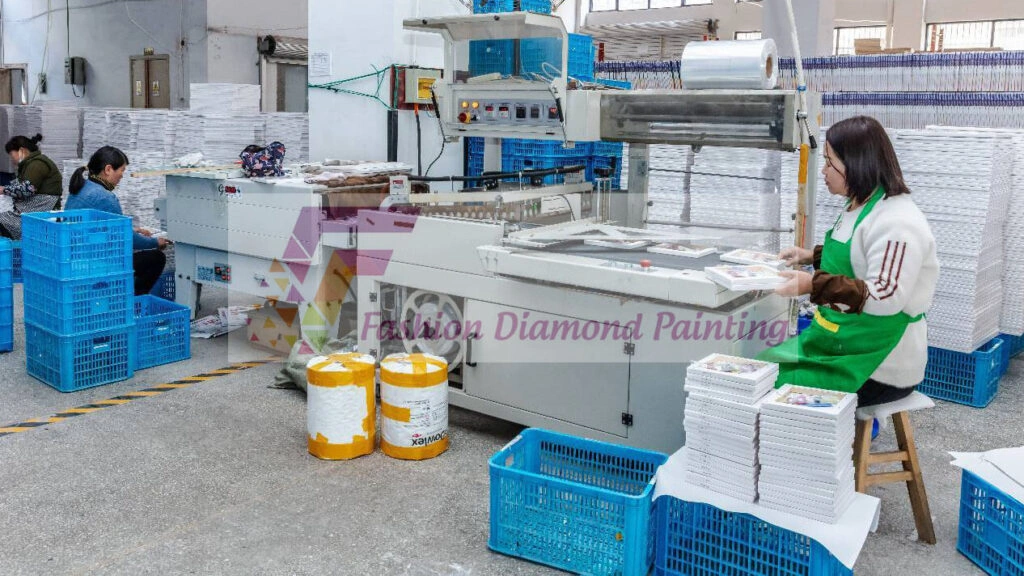
Diamond painting wholesale has become surprisingly accessible, with some suppliers offering minimum order quantities of just 50 units. This opens opportunities for small businesses, craft enthusiasts, and resellers to access wholesale pricing without massive upfront investments. Whether you're looking for diamond art wholesale kits, sourcing from a wholesale diamond painting distributor USA, or buying diamond painting beads wholesale and diamond painting drills wholesale separately, finding reliable diamond painting wholesale suppliers requires careful research. In this guide, we'll walk you through everything you need to know about buying wholesale, including how to evaluate suppliers, understand pricing structures, and build profitable long-term partnerships.
What is Diamond Painting Wholesale
Understanding the wholesale market
Wholesale purchasing operates on a fundamentally different model than buying individual items for personal use. A wholesaler purchases goods in large quantities directly from manufacturers or distributors and resells them to other businesses at prices lower than retail. This system works because high-volume orders allow wholesalers to negotiate better rates and add smaller margins while still maintaining profitability.
The diamond painting wholesale market connects manufacturers with various business buyers who need inventory. According to industry practices, working directly with a diamond painting manufacturer eliminates intermediary layers between you and production, resulting in better pricing for large or repeated orders. Factory-direct suppliers also offer flexible MOQ (minimum order quantity) compared to pure distributors, with some accepting smaller quantities suitable for both small businesses and large distributors.
Manufacturers hold distinct advantages over traditional wholesalers. They maintain wider selections of painting designs and often house cutting-edge products first because they control production capacity. You can assess quality by examining their production processes and QA testing procedures, as manufacturers must adhere to specific industry standards. Professional diamond painting manufacturers follow up with customers after sales to verify satisfaction and typically offer warranties, making them more accountable for the products they sell.
The difference between retail and wholesale buying
The gap between wholesale and retail pricing can be substantial. Retailers function as middlemen, purchasing from wholesalers and adding 10-30 percent to the actual cost before selling to customers at double the price plus sales tax. They include profit margins in the cost, which makes products considerably more expensive when they reach end consumers.
When you purchase directly from wholesale diamond painting suppliers, you bypass these markups entirely. Factory-direct pricing eliminates the layers between you and production. This pricing advantage proves particularly valuable for business owners who need consistent inventory. Rather than paying retail premiums, wholesale buyers access the same quality products at significantly reduced rates.
Volume also plays a role in pricing structures. Wholesale customers can request custom quotations based on quantity, with pricing influenced by kit size, diamond types (round or square), packaging specifications, and custom branding requirements. Correspondingly, larger orders typically unlock tiered discounts that further reduce per-unit costs.
Availability differs markedly between the two purchasing models. Retail stores carry limited quantities of each diamond painting product, forcing customers to wait for restocks. Wholesale orders, on the other hand, ship directly from warehouses or are created on demand, ensuring you never face stock-out situations for desired designs.
Who should consider buying wholesale?
Retailers represent the primary audience for diamond painting wholesale purchases. If you run a craft store, online shop, or physical retail location, buying wholesale allows you to stock inventory at competitive prices while maintaining healthy profit margins.
Online sellers benefit particularly from wholesale arrangements. You can browse entire product catalogs from diamond painting wholesale suppliers, compare features and costs across different manufacturers, and make informed purchasing decisions. The ability to order bulk inventory means you can fulfill customer orders immediately without worrying about product availability.
Studio owners and craft instructors also find value in wholesale purchasing. Buying diamond painting beads wholesale or diamond painting drills wholesale separately lets you maintain supplies for classes and workshops without paying retail markups. You get expert support from manufacturers who can help select appropriate diamond painting supplies and accessories for specific projects.
Small business owners shouldn't feel excluded from wholesale opportunities. The flexible MOQ policies mean you don't need massive capital to start. You can begin with modest orders, test product quality and customer demand, then scale up as your business grows. This approach minimizes risk while still providing access to wholesale pricing advantages that improve your competitive position in the market.
Types of Diamond Art Wholesale Products Available
Full drill vs partial drill kits
Full drill kits cover the entire canvas with diamonds from corner to corner. The canvas remains filled with resin beads, creating a tight, seamless surface that delivers maximum sparkle. These kits work best for intermediate or professional crafters who want detailed, immersive projects. The completion time extends significantly since every section requires diamond placement, but the finished piece offers uniform brilliance across the artwork.
Partial drill kits, in contrast, cover only specific portions of the canvas. The background stays printed, either as a solid texture or detailed imagery that complements the diamond-covered focal points. Beginners gravitate toward partial drills because they complete faster and provide practice without overwhelming complexity. These kits spotlight one central object—a character, animal, or design element—while the surrounding printed areas frame the composition. Suppliers offer both configurations, with some requiring a minimum order quantity of just 50 units.
Diamond painting beads wholesale options
Material choice affects both cost and final appearance. Resin drills represent the premium option, offering superior clarity, consistent shapes, and brilliant shine. They adhere more securely to adhesive canvases, reducing the risk of popping drills and extending artwork longevity. Professional crafters prefer resin for gallery-quality finishes that withstand time and display.
Acrylic drills provide a budget-conscious alternative made from plastic. While they lack the same brilliance as resin, they still deliver satisfying sparkle and remain widely accessible. Their cost-effectiveness and mass production capabilities make them suitable for large kits, custom pieces, and projects targeting younger crafters or newcomers. Standard drills are typically packaged by weight in grams, with approximately 200 drills weighing 1.2 grams.
Diamond painting drills wholesale varieties
Shape determines how drills fit together on the canvas. Square diamonds align seamlessly without gaps, producing a crisp, mosaic-like appearance. Their precise fit allows for greater detail and makes them perfect for intricate, highly detailed designs. Round diamonds, equally popular, offer beginner-friendly application since they don't require specific directional alignment. Their smooth edges create a softer, cross-stitch-like effect with subtle texture.
Special-shaped and AB diamonds
Aurora Borealis (AB) diamonds feature an iridescent coating that captures and reflects light, creating a dazzling rainbow shimmer effect. These drills add depth and dimension when placed strategically in key areas. Fairy Dust drills contain a soft, iridescent sheen that shifts color depending on light angle, introducing an ethereal quality to fantasy or celestial scenes.
Crystal diamonds offer semi-transparent gems with prismatic, rainbow-like sparkle. Their jewel-like clarity adds vibrant, glass-like brilliance to finished pieces. Glow diamonds absorb light during the day and emit a soft glow at night, creating two distinct versions of the same artwork. Rhinestone drills feature glass-like beads with faceted surfaces that glisten dramatically, offering intense light reflection for eye-catching detail work.
Special-shaped diamonds include teardrops, hearts, stars, ovals, and other creative forms that add unique texture and flair. These shapes typically appear in partial drill kits, particularly for mandala art, birds, and floral designs.
Accessories and tools
Wholesale suppliers provide complete tool sets beyond just drills and canvases. Standard kit contents include stylus pens, diamond tweezers, wax caddies, diamond straightener tools, multi-placers, storage stickers, reusable carry bags, and extra zip-lock bags. These accessories ensure customers receive everything needed to complete projects immediately.
Custom kits and designs
Suppliers accommodate custom design requests, with some offering free design fees for orders exceeding 100 units of single full drill configurations. You can submit original designs and receive customized quotes for bulk production, allowing you to create unique inventory that differentiates your business from competitors. This flexibility proves valuable for retailers wanting exclusive products or businesses targeting specific niche markets.
How to Find Reliable Wholesale Diamond Painting Suppliers
Wholesale diamond painting distributor USA options
Choosing a reliable diamond painting supplier stands as one of the most critical decisions for your business. A trusted supplier ensures stable quality, competitive bulk pricing, fast production, and steadily available inventory. For US-based buyers, working with domestic distributors offers distinct advantages in shipping speed and customer support accessibility.
HeartfulDiamonds operates as a US distributor supporting businesses from small craft stores to large retailers, with a minimum order quantity of just 50 units. They provide express shipping to any destination worldwide and accommodate custom design requests. For orders of single full drill configurations over 100 units, they waive design fees entirely.
ADiamondPainting.com functions as a trusted manufacturer offering high-quality kits with vibrant printing, stable production lines, and factory-direct pricing. They support OEM/ODM for custom designs and maintain a large catalog of trending themes. Their services prove reliable for retailers, gift shops, craft stores, and online sellers.
Wizardi presents another option, manufacturing their own brand at production facilities in Europe. They maintain over 850 diamond painting kits in stock and operate without minimum order quantity requirements, delivering even 1 unit per SKU without problems. Their kits feature appealing packaging with instructions translated into 8 different languages.
International suppliers vs domestic distributors
Working directly with a diamond painting manufacturer instead of middlemen offers several advantages. Factory-direct suppliers eliminate layers between you and production, allowing better pricing for large or repeated orders. They can adjust sizing, diamonds, packaging, color calibration, and branding to your specifications. Factories can accept smaller minimum order quantities compared to pure distributors and prioritize bulk production while providing direct updates on order progress.
Tariff considerations affect US buyers purchasing from international sources. Small businesses based in the US express concern about unpredictable tariff bills and whether they can afford to collect items. Some smaller companies have temporarily ceased sales to US customers until the tariff situations clarify. These companies face difficulty absorbing over double the manufacturing cost.
Shipping options vary by supplier and order size. ADiamondPainting.com provides air freight, express couriers, and sea shipping for large pallets. International shipping requires longer lead times but often delivers lower per-unit costs on substantial orders.
Evaluating supplier websites and catalogs
A good supplier uses durable canvas, strong adhesive, and accurately cut diamonds. Clarity and color consistency matter greatly in bulk orders. When browsing catalogs, examine product specifications carefully to verify these quality standards.
Copyright compliance protects your business legally. A professional supplier should offer both original designs and safe-to-use custom printing. Manufacturers who license their artwork demonstrate legitimacy and protect you from potential legal issues. Some community members refuse to purchase from stores that don't license their art or use double-sided adhesive.
Retailers need reliable restocking and predictable lead times. The best suppliers offer fast production and steady supply even during peak seasons. Check whether suppliers maintain adequate inventory levels or produce on-demand, as this affects your ability to fulfill customer orders promptly.
Reading reviews and checking credentials
Review verification requires looking beyond supplier websites. Customer experiences on Trustpilot reveal important operational details. One company received complaints about misleading location information, with customers discovering shipments originated from China rather than the advertised US locations. Long delivery times, unresponsive customer service, and difficult refund policies emerged as common complaints.
Reddit discussions provide candid supplier assessments from experienced crafters. Community members maintain spreadsheets tracking company performance, noting factors like drill quality, canvas rendering, artwork licensing, and adhesive type. Square drills from certain suppliers show uniform cut and size, making it easier to keep them straight with practically no gapping. Canvas and rendering quality vary significantly between manufacturers.
Adhesive type matters for long-term satisfaction. Double-sided tape adhesive potentially creates air bubbles or pulls up, while liquid-poured adhesive provides more reliable performance. Checking whether suppliers use licensed artwork versus unauthorized reproductions helps you avoid legal complications and support ethical business practices.
Key Factors to Consider When Choosing a Supplier
Minimum order quantity requirements
MOQ policies directly impact your initial investment and inventory flexibility. Some diamond painting wholesale suppliers set entry barriers at just 50 units. This relatively low threshold works well for mom and pop craft stores and smaller retailers testing new product lines. Canvas by Numbers follows this same 50-unit minimum per image, making wholesale accessible without requiring massive capital.
Volume-based pricing structures reward larger commitments. The more you order, the higher the discount you receive. Therefore, calculate your storage capacity and cash flow before committing to order sizes that exceed your immediate needs. Suppliers on platforms like Alibaba show MOQs ranging from 1 unit to 30 units, depending on the product type and manufacturer. This variation means you can find suppliers matching your specific volume requirements.
Product quality and canvas standards
Canvas construction separates premium kits from disappointing ones. Each product crafted with precision and care ensures customer satisfaction and repeat purchases. I recommend examiningthe adhesive type closely, as it affects the entire crafting experience. Double-sided tape adhesive has the potential to create air bubbles or pull up. Poured glue adhesive performs more reliably because it eliminates air bubble risks and allows easier drill adjustment after placement.
Premium suppliers use superior packaging that protects canvases during shipping. Strong outer packaging should be waterproof to ensure kits arrive in perfect condition every single time. Canvas quality extends beyond the base material to include rendering accuracy and color vibrancy. Square drills from top manufacturers show very uniform cut and size, making it easy to keep them straight with practically no gapping.
Brand reputation and licensing
Licensed artwork protects you legally and ethically. Companies that legally license artworks and give credit to professional and freelance artists demonstrate legitimacy. Artists receive royalty percentages on sales when companies contract their work. This professional arrangement ensures the art gets used properly, artists receive regular payments, and the relationship proves mutually beneficial.
Consequently, major chain stores and American market brands prioritize licensed kits because copyright laws carry serious enforcement. If you buy kits in major chain stores, you can safely assume the image is either licensed, public domain, or a stock photo. Many crafters refuse to buy from stores that don't license their art, making this a market expectation rather than an optional consideration.
Available inventory and stock levels
Efficient supply chains ensure timely delivery so your stock never runs out. Suppliers with adequate inventory avoid the frustrating restocking delays common in retail environments. Some manufacturers maintain over specific product counts in active stock and operate without minimum order quantity requirements, delivering even single units per SKU without problems [previous section reference to Wizardi].
Production capacity matters for custom orders and seasonal demand spikes. Manufacturers with stable production lines can accommodate special requests while maintaining consistent turnaround times [previous section reference]. Ask potential suppliers about their lead times during peak seasons and their backup plans for unexpected demand surges.
Customer support and communication
Dedicated wholesale teams make ordering and delivery processes seamless. Customer support quality becomes especially critical when issues arise with shipments, quality concerns, or custom specifications. Suppliers willing to accommodate any request demonstrate flexibility that supports growing business relationships.
Professional suppliers maintain responsive communication channels and provide order progress updates. Similarly, they should offer assistance in selecting appropriate products for your target market. The best diamond painting wholesale suppliers promise to address concerns and deliver what you need as quickly as possible. Test their responsiveness before placing large orders by asking detailed questions about products, shipping, and customization options.
Understanding Pricing and Payment Terms
Wholesale vs retail price differences
Pricing structures in diamond art wholesale depend on multiple variables beyond simple unit counts. Kit size, diamond types (round versus square), packaging specifications, and custom branding requirements all influence the final wholesale cost. Factory-direct suppliers can offer better pricing than intermediaries, allowing retailers to increase profit margins. This direct relationship eliminates markup layers that traditional retail channels add.
Working directly with a diamond painting manufacturer instead of middlemen removes the costs associated with distributor networks. Each intermediary typically adds 10-30 percent to prices before products reach retailers. By the same token, retailers then double those costs plus sales tax when selling to end consumers. Wholesale diamond painting suppliers bypass this entire chain, delivering manufacturer pricing straight to your business.
Custom quotations accommodate varying business needs. Wholesale customers can request tailored pricing depending on the quantity ordered. A small craft store ordering 50 units receives different rates than a distributor placing orders for 500 units. This flexibility means businesses of all sizes access wholesale pricing adjusted to their purchasing power.
Volume discounts and tiered pricing
Discount percentages scale with order volume. Some diamond painting wholesale suppliers offer ultra-discounted prices up to 40% off retail rates. Wholesale prices start as low as 10 kits, making entry-level wholesale purchasing accessible without requiring hundreds of units upfront. This low threshold opens opportunities for smaller retailers to test new product categories.
Tiered pricing rewards commitment. The more units you order in a single transaction, the lower your per-unit cost drops. A 10-kit order might receive 15% off retail, while a 100-kit order could unlock 30% savings, and 500 units might reach that 40% maximum discount tier. Calculate your storage capacity and cash flow before jumping to higher tiers, as unsold inventory ties up capital regardless of savings.
Payment methods accepted
Diamond painting bead wholesale and complete kit suppliers accept diverse payment options. Standard credit cards, including Visa, MasterCard, American Express, and Discover, process most transactions. Digital wallets like PayPal, Google Pay, and Amazon Pay offer alternative checkout methods. Flexible payment plans through Sezzle, Klarna, and Shop Pay let you split larger wholesale orders into installments. All transactions use secure technologies protecting your financial information.
Currency considerations for international orders
Multi-currency support simplifies international wholesale purchasing. Suppliers serving global markets display pricing in local currencies based on your shipping country selection. This transparency eliminates confusion about conversion rates at checkout. Some wholesale diamond painting distributor USA include all duties and import taxes in displayed prices, eliminating hidden fees that surprise buyers at delivery. Verify whether your supplier follows this inclusive pricing model or if you need to budget separately for customs charges.
Shipping, Logistics, and Delivery Considerations
Domestic vs international shipping options
Shipping origin fundamentally shapes your delivery experience and costs. Products shipped from US warehouses arrive significantly faster than international alternatives. Diamond Art Club ships all orders from its Fort Worth, Texas, distribution center, aiming to process in-stock items within 24 business hours. This domestic approach delivers packages to US addresses in 3 to 6 business days with standard shipping.
International shipping from China extends delivery windows considerably. Standard door-to-door shipping from Chinese warehouses takes 9-30 days for USA customers. European and Australian buyers should expect 20-40 days on average. These extended timeframes reflect ocean freight transit between countries, where tracking updates move slowly while packages cross international waters.
Shipping methods vary by supplier location and order size. US orders typically ship via UPS, FedEx, USPS, or OnTra,c depending on location and package dimensions. International orders use FedEx Express and DHL Express for faster, more secure delivery. Free shipping thresholds exist at many suppliers, with orders over $75 qualifying for complimentary worldwide shipping.
Delivery timeframes and tracking
Processing time precedes actual shipping duration. Stock designs require 3-5 business days of processing, while custom kits need 5-10 business days. During high-volume periods like holidays, processing extends to 10 business days for stock designs and 15 business days for customs.
Track shipments through multiple channels: shipment notification emails, order confirmation pages, or your account dashboard. If tracking shows no movement for more than 5 business days, contact customer service for assistance. Packages moving between countries update slowly, but once they land domestically, movement accelerates rapidly to your doorstep.
Import duties and customs fees
Tariff policies shifted dramatically in 2025. The de minimis exemption previously allowed imports from China under $800 to enter duty-free. Following executive orders, tariffs now apply starting with the first dollar of value. Product classification serves as the multiplier when calculating tariff amounts.
Despite policy changes, actual tariff costs often remain modest. One supplier reported tariffs totaling less than $6 on a standard shipment. Many suppliers have built tariffs directly into their pricing rather than billing separately. Some legitimate suppliers refuse to add questionable surcharges on inventory already warehoused domestically, as those items never faced tariff assessment.
Most countries include duties, taxes, and fees at checkout, though Argentina, Bolivia, Brazilthe , Faroe Islands, Guatemala, India, Kazakhstan, Peru, Serbia, South Africa, and Vietnam require payment upon delivery.
Packaging and damage protection
Proper packaging protects wholesale shipments during transit. When shipping completed diamond paintings, roll them with diamonds facing outward rather than inward. Rolling inward places strain on diamonds as they stack atop each other, increasing the risk of popping off. Use artist tubes for sturdy protection designed specifically for artwork. Insert bubble wrap or foam rollers in the center to prevent crushing during transport. Store rolled canvases in tubes or sturdy boxes away from moisture and dust.
Building Long-Term Supplier Relationships
Communication best practices
Proactive communication forms the foundation of successful partnerships with diamond painting wholesale suppliers. Never skip the sampling stage when establishing relationships. Order physical samples to confirm materials, colors, diamond placement, and tool quality before approving bulk production runs. This verification step prevents costly mistakes and demonstrates your attention to quality standards.
Provide detailed specifications to your supplier covering diamond weight requirements, packaging standards, and color tolerance levels. Clear documentation eliminates ambiguity and sets mutual expectations from the start. Request production updates and photos during manufacturing for your bulk orders. Regular check-ins keep you informed and allow quick course corrections if issues emerge.
Negotiating better terms over time
Building credit with suppliers happens through consistent, professional interactions. If you receive an order request you cannot fulfill, referring clients to trusted connections actually builds credit with both your competitor and client. This goodwill often gets repaid through future collaborations and referrals.
Reputation carries significant weight in supplier negotiations. By establishing trusting relationships and sharing information, people become encouraged to rely on and recommend you to others. Helping suppliers when they face challenges creates reciprocal obligations they'll remember during your own negotiations.
Volume commitments unlock better pricing structures over time. As your ordering patterns prove reliable, suppliers become more willing to extend favorable payment terms, reduce MOQs, or provide exclusive access to new designs before general release.
Handling quality issues and returns
Inspect shipments upon arrival before selling or distributing products. Conduct physical spot-checks of every delivery for defects, missing tools, or packaging damage. Catching problems early prevents customer complaints and strengthens your leverage when requesting replacements.
Premium suppliers should offer clear warranty processes and responsive customer service. In fact, some companies create frustrating experiences by ignoring warranty claims or requiring customers to pay additional fees for replacements. Avoid suppliers demonstrating these patterns, as they damage your own customer relationships.
Staying updated on new products
Trade shows provide prime opportunities to meet suppliers and discover new inventory options. When attending, collect business cards and write the show name and date on the back with details helping you remember each contact. Follow up after events to continue building relationships beyond initial introductions.
Social media platforms, particularly LinkedIn groups for industry professionals, offer networking spaces where suppliers announce new product launches. Staying active in these communities positions you to access trending designs before competitors saturate the market.
Common Mistakes to Avoid When Buying Wholesale
Ordering without samples
Skipping sample orders before bulk purchases ranks among the costliest errors in diamond painting wholesale. Quality varies dramatically between suppliers, even at similar price points. One buyer discovered their discounted kits featured fuzzy images and small, highly pixelated designs. The round drills didn't click into place properly, creating gaps and frustration. These issues only became apparent after receiving the full shipment. For instance, canvas rendering quality, drill uniformity, and adhesive performance cannot be accurately assessed through product photos alone. Sample kits reveal whether a supplier's actual products match their marketing materials.
Ignoring MOQ requirements
Underestimating minimum order commitments strains cash flow and storage capacity. Despite knowing MOQ policies exist, buyers sometimes order volumes exceeding their immediate needs to qualify for better pricing. This approach backfires when inventory sits unsold, tying up capital that could fund other business operations. Calculate your realistic sales velocity before committing to quantities that stretch your financial resources.
Not verifying product authenticity.
Prices appearing too good to be true usually signal problems. In reality, some sellers function as drop shippers, marking up products 50% or more compared to ordering directly from manufacturers. Verify reviews outside supplier websites, since companies easily fabricate testimonial boxes. Check whether reviews actually relate to the specific products you're buying rather than generic site ratings. One Etsy buyer got caught by a store with positive reviews that didn't reflect the actual product quality.
Overlooking shipping costs inthe budget
Shipping expenses compound quickly on wholesale orders. Factor in packaging materials, insurance, and shipping confirmation into your total investment. Research specific carrier pricing, weigh actual packages, and consult their rate charts. Add a few extra dollars to estimates as a safety buffer. In this situation, overlooking these costs means your profit margins shrink unexpectedly or disappear entirely when the full bill arrives.
Conclusion
Diamond painting wholesale offers incredible opportunities for businesses of all sizes, with accessible entry points starting at just 50 units. Take time to research suppliers thoroughly, request samples before committing to bulk orders, and verify product authenticity through independent reviews. As a matter of fact, building strong supplier relationships pays dividends through better pricing, exclusive designs, and reliable inventory access over time.
Don't let the process overwhelm you. Start small, test different suppliers, and scale gradually as you understand your market demand. The wholesale pricing advantages give you competitive room to grow your business while maintaining healthy profit margins. Choose your partners wisely, and you'll establish a sustainable foundation for long-term success.