
Diamond Painting Blog
Why You Should Try Diamond Painting: A Complete Guide to This Sparkling Hobby

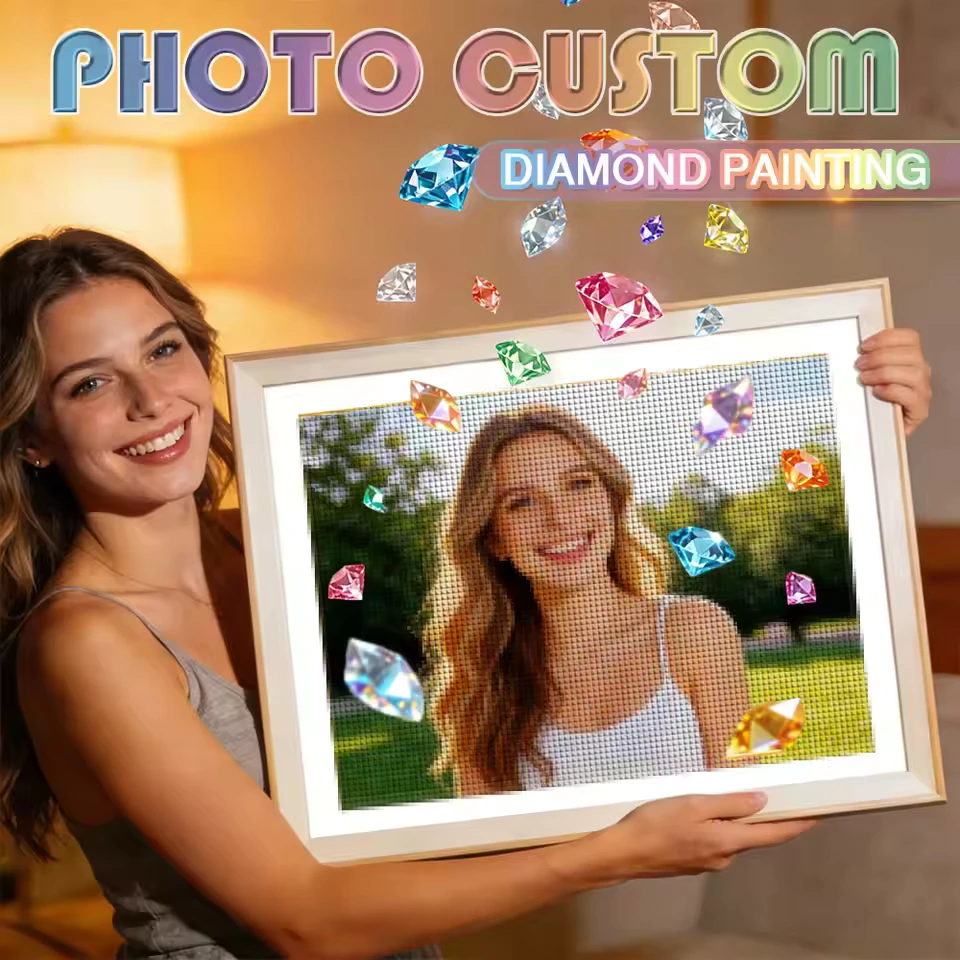
If you‘ve been scrolling through social media and noticed those mesmerizing, glittery canvases taking shape one tiny gem at a time, you’re not alone. Diamond painting, sometimes called diamond art or paint by diamonds, has grown from a niche craft into a global phenomenon. The global diamond painting market was valued at approximately $220.24 million in 2025 and is projected to grow at a CAGR of 11.49% through 2035. Over 55% of consumers cite stress relief and mindfulness as their primary motivation for picking up the craft. But beyond the market numbers, what makes this hobby so uniquely compelling? Whether you‘re looking for a creative outlet, a way to unwind after a long day, or simply something fun to do with your hands that doesn’t involve a screen, diamond painting might be exactly what you've been missing.
What Is Diamond Painting?
At its core, diamond painting is a form of mosaic art that combines the precision of cross-stitch with the structured ease of paint-by-numbers. You work with a pre-printed adhesive canvas covered in symbols — each corresponding to a specific color of tiny, faceted resin “diamonds” (also called drills). Using a stylus pen with a dab of wax, you pick up each diamond and press it onto its matching symbol. Piece by piece, a shimmering, three-dimensional masterpiece comes to life.
What makes diamond painting so accessible is its low barrier to entry. You don‘t need artistic training, drawing skills, or expensive equipment. A standard diamond painting kit includes everything to get started: the pre-printed adhesive canvas, colored resin diamonds, a picking pen, a tray, and wax. The canvas tells you exactly where each diamond goes, so the creative work is in the doing, not the designing. As many enthusiasts describe it, you get to feel like an artist even if there’s “not a creative bone in your body”.
The results, however, are anything but basic. Because the resin diamonds are faceted, they catch and reflect light beautifully, giving finished pieces a sparkling, professional-quality appearance that photographs beautifully and looks stunning when framed and displayed.
Why Diamond Painting Has Exploded in Popularity
While diamond painting has been around for over a decade, it gained momentum during the pandemic when millions were stuck at home searching for hands-on, screen-free activities. The hobby‘s staying power long after lockdowns ended speaks to something deeper. Search data reveals consistent seasonal peaks, with strong interest during holiday periods and mid-year months. This suggests diamond painting has become a go-to gift and personal relaxation tool rather than a passing trend.
The demographics are telling. Millennials and Gen Z have embraced the craft in significant numbers. Nearly 73% of millennials identify as active DIYers, and younger generations gravitate toward hobbies offering structured creativity without the pressure of starting from a blank canvas. Diamond painting eliminates the intimidation factor. You follow a guided design rather than staring at an empty page, making the creative process feel safe and manageable even for those who don't consider themselves artistic.
Social media has amplified this momentum tremendously. Diamond painting groups on Facebook, Instagram, and TikTok boast thousands of engaged members who share progress photos, exchange tips, and celebrate finished pieces together. This sense of community transforms what could be a solitary activity into a shared experience, research suggests, deepening the joy and satisfaction derived from the hobby.
The Surprising Health and Wellness Benefits
While the sparkly results are satisfying, the real magic of diamond painting lies in what it does for your mind and body. Increasingly, mental health professionals and researchers are recognizing the therapeutic value of this seemingly simple craft.
Mental Health and Emotional Well-Being
One of the most compelling reasons to try diamond painting is its calming effect. The repetitive, rhythmic action of picking up and placing each diamond naturally slows your breathing, centers your attention, and quiets mental chatter. Psychologists describe this as entering a “flow state,” the sweet spot where concentration meets relaxation, allowing the mind to let go of rumination and worry.
In clinical settings, the benefits are being formally recognized. At the Essex Partnership University NHS Foundation Trust in the UK, diamond art kits are used as part of therapeutic programming for mental health inpatients. Patients report that the craft helps calm negative thoughts, provides a healthy distraction, and offers a non-intimidating way to open up communication with staff and peers. As one patient put it, “It’s so calming. It‘s quite addictive. You can just zone out... It’s really helped me, it‘s the only thing that distracts me from negative thoughts”. Another patient noted that crafting together creates a natural environment for conversation without the pressure of direct eye contact: “When you’re doing diamond art and chatting it puts you in a different zone”.
Research on art therapy more broadly supports these anecdotal findings. Meta-analyses show that structured visual art activities can lower anxiety scores in adults and improve emotion regulation, particularly when integrated into regular self-care routines. Diamond painting offers a similar mechanism: it provides a predictable, repeatable task that restores a modest sense of agency — something especially valuable during periods of stress or uncertainty.
Cognitive Benefits
Beyond stress relief, diamond painting delivers measurable cognitive perks. The process engages both hemispheres of the brain simultaneously: the left hemisphere processes the logical task of matching symbols to colors, while the right hemisphere engages with the creative and spatial aspects of composition.
This dual activation helps sharpen focus, enhance attention to detail, and improve pattern recognition. Unlike multitasking on a screen, which fragments attention and increases mental fatigue, diamond painting encourages deep, single-task concentration. It trains the brain to stay present with one activity, which over time can strengthen overall cognitive resilience.
For individuals with ADHD or autism, the structured yet engaging nature of diamond painting can provide a helpful anchor for focus and sensory regulation. The clear, predictable framework reduces decision fatigue while the tactile, visual feedback keeps the brain engaged without overwhelming it.
Physical and Motor Benefits
You might not think of diamond painting as physical therapy, but it builds fine motor skills. Picking up and precisely placing tiny resin diamonds, sometimes as small as 2.5mm, requires controlled hand movements, coordination, and dexterity. This makes diamond painting valuable for seniors maintaining hand strength, children developing coordination, and individuals recovering from hand injuries or strokes. Occupational therapists have begun incorporating adapted diamond painting into rehabilitation programs.
Social Connection and Community
The social dimension of diamond painting is often overlooked but increasingly significant. Online communities provide spaces where enthusiasts share work, offer encouragement, and troubleshoot problems together. These groups are especially meaningful for individuals who may be homebound, lonely, or seeking connection around a shared interest. Knowing thousands around the world are working on similar projects, experiencing the same tiny frustrations and triumphs, creates a genuine sense of belonging.
Diamond Painting vs. Cross-Stitch: What‘s the Difference?
If you’re familiar with traditional needlecrafts, you might be wondering how diamond painting compares to cross-stitch. While both hobbies involve following a pattern to gradually build an image from small components, there are notable differences worth considering.
Speed and Accessibility. Diamond painting is significantly faster than cross-stitch. Completing the same pattern in diamond art can take about one-tenth the time required for traditional cross-stitch, making it a more immediately rewarding option for those with limited crafting time.
Learning Curve. Diamond painting is generally easier to pick up. The diamonds are pre-cut and pre-sorted, and the canvas shows exactly where each one goes. Cross-stitching requires more skill to produce neat, even stitches and demands comfort with threading needles, counting fabric squares, and maintaining consistent tension.
Visual Aesthetic. The finished products differ dramatically in appearance. Diamond paintings are brilliantly colorful and sparkly, with a three-dimensional quality that catches light beautifully. Cross-stitch offers a more traditional, rustic, and matte look. The choice ultimately comes down to personal preference — and many crafters happily enjoy both.
Longevity. One practical consideration is durability. Cross-stitch, being embroidered with thread into fabric, can last for decades with proper care. Diamond paintings, which rely on adhesive to hold the drills in place, may be more vulnerable to heat and humidity over time. Proper sealing and framing can significantly extend their lifespan, with well-maintained pieces lasting over 10 years.
How to Get Started: A Beginner‘s Roadmap
Ready to try diamond painting for yourself? Getting started is straightforward, but a few smart choices at the beginning can make your experience much more enjoyable.
Choosing Your First Kit
Start small. For your first project, resist the temptation to buy an enormous, intricate canvas. A modest size around 30x40cm (12x16 inches) lets you finish within a reasonable timeframe and experience the satisfaction of completion sooner. This confidence boost is crucial for building momentum.
Choose round drills. You’ll encounter two main shapes: round and square. Round diamonds are the beginner‘s best friend. They’re easier to pick up, more forgiving in placement, and faster to work with. Square diamonds fit tightly for a seamless, mosaic-like finish but require greater precision, a satisfying challenge for your second or third kit.
Pick a design that excites you. Whether it‘s a serene landscape, a beloved pet portrait, or a bold geometric pattern, choose something you’ll actually want to look at day after day. The motivation to finish is real, and a design that genuinely appeals to you makes all the difference.
Full drill vs. partial drill. Full drill canvases cover the entire surface with diamonds — this is the full sparkly experience most enthusiasts prefer. Partial drill kits apply diamonds only to the main subject, with the background remaining as printed canvas. Both have their place, but full drill projects tend to be more satisfying for the finished result.
Setting Up Your Workspace
A little preparation goes a long way toward keeping your diamond painting experience tidy and frustration-free. Choose a clean, well-lit area. Natural light is ideal, but a bright desk lamp works well too. Cover your surface with a smooth cloth to catch stray diamonds, and consider using a light pad under the canvas to make symbols pop more clearly, reducing eye strain.
Organization is key. Sort your diamonds by color using small containers, resealable bags, or craft boxes, and label each with its corresponding symbol or DMC code. Keeping everything clearly identified saves time and prevents mixing up similar shades.
The Basic Process
The painting itself follows a simpleThe painting follows a simple rhythm: Peel back a small section of the protective plastic covering. Don‘t expose the entire canvas at once, as this can dry out the adhesive. Dip your pen tip in wax, pick up a diamond, match it to its symbol on the canvas, and press it firmly into place. Work in small, manageable sections. Many crafters use washi tape to mark off 10x10cm squares. Replace the plastic cover when you’re not working.ece, you have options. Many crafters frame their work without glass to preserve the sparkle, while others mount it on a stretched canvas for a professional gallery look. Applying a clear sealant can help keep diamonds securely in place for years to come.
Pro Tips for Better Results
Once you’ve got the basics down, a few insider tricks can elevate your results:
Use the two-drill method for large color blocks. Load two diamonds onto your pen tip at once to double your speed without losing accuracy.
Rotate the canvas, not your wrist. Instead of contorting your hand to reach awkward angles, turn the canvas so your dominant hand always approaches from a comfortable position.
Clean as you go. Keep a small brush nearby to sweep stray diamonds back into their containers. A tidy workspace supports a calm, focused mindset.
Seal when finished. A quality sealant applied after completion prevents diamonds from lifting over time and protects your work from dust and moisture, especially if you plan to display it unframed.
Who Should Try Diamond Painting?
The beautiful thing about diamond painting is its versatility. It appeals to:
-
Stressed professionals seeking a screen-free way to decompress after work
-
Parents and kids looking for a calming, shared creative activity
-
Seniors wanting to maintain fine motor skills and cognitive sharpness
-
Individuals with anxiety or depression who benefit from the grounding, repetitive nature of the craft
-
Anyone who thinks they “aren‘t creative” but secretly wishes they could make something beautiful
Frequently Asked Questions
How long does a diamond painting take to complete? Completion time varies widely based on canvas size, drill shape, and your pace. A small 30x40cm project might take 10-20 hours total, while a large, detailed 80x120cm piece can require weeks or even months of intermittent work. The beauty is that you can work in short sessions — even 15-20 minutes at a time — and still see meaningful progress.
Do diamond painting kits come with everything I need? Yes, standard kits include the canvas, diamonds, pen, wax, and tray — everything required to start immediately. Higher-end kits may also include extras like light pads, ergonomic pens, or storage organizers.
How long does a finished diamond painting last? With proper care — sealing, framing, and avoiding direct sunlight and humidity — a diamond painting can maintain its brilliance for over 10 years.
Is diamond painting expensive? Not at all. Entry-level kits are remarkably affordable, often costing less than a movie ticket and providing dozens of hours of entertainment. As patients at the NHS mental health unit noted, “kits and equipment are not expensive, so it‘s an affordable hobby”.
Final Thoughts: Why You Should Give Diamond Painting a Try
In a world that increasingly demands our attention across multiple screens, notifications, and obligations, diamond painting offers something precious: permission to slow down. It’s a hobby that asks little of you but gives back abundantly — a quiet sense of accomplishment, a calmer mind, and a tangible, sparkling reminder of time well spent.
As one enthusiast who discovered the craft during a turbulent year reflected, joy isn‘t found only in grand escapes, but in “the slow accumulation of small, everyday acts”. Diamond painting embodies this truth perfectly. Each tiny diamond you place is a small act of creation, presence, and care. And when you finally step back and see the full, shimmering image you’ve built — one gem at a time — you‘ll understand exactly why millions of people have fallen in love with this craft.
Ready to get started? Pick up a beginner-friendly kit, set aside a quiet corner, and discover for yourself why diamond painting might just become your new favorite way to unwind.