
Diamond Painting Blog
Should You Seal Your Diamond Paintings? Essential Tips for Longevity

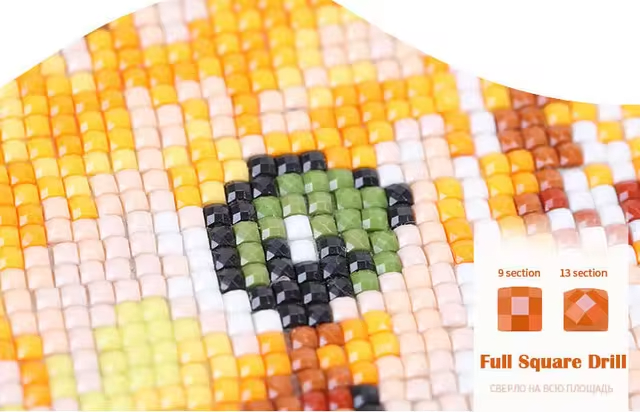
Diamond painting is an innovative craft that has captivated the hearts of art enthusiasts around the world. This engaging hobby combines elements of cross-stitch and paint-by-numbers, allowing crafters to create shimmering, mosaic-like works of art using tiny "diamonds." These colorful gems, also known as drills, are meticulously placed on a sticky canvas, producing images that sparkle with brilliance.
Engaging in diamond painting not only offers a relaxing and meditative experience but also results in stunning artwork that can grace the walls of your home or be gifted to loved ones. The process is simple: apply each diamond to its corresponding color-coded section on the canvas. As you progress, you witness the gradual transformation of a blank canvas into a vibrant masterpiece.
While the journey of creating a diamond painting is rewarding, ensuring its longevity requires some additional steps. One crucial aspect of preserving these artworks is sealing them. In this article, we'll explore why sealing is important, when to do it, the methods available, and how to extend the life of your diamond paintings.
Why Sealing Diamond Paintings is Important
Sealing your diamond paintings is essential for several reasons. Firstly, it ensures that the diamonds remain securely attached to the canvas. Over time, without proper sealing, these tiny gems can become loose or fall off due to handling, environmental factors, or gravity. A well-sealed painting maintains its original beauty and structure, preventing any unfortunate loss of sparkle.
Secondly, sealing acts as a protective barrier against dust, dirt, and moisture. These elements can accumulate on the surface of your diamond painting over time, diminishing its brilliance and vibrancy. By applying a sealant, you effectively shield the artwork from these damaging agents, helping it retain its new-like appearance for years to come.
Lastly, sealing can enhance the overall look of your finished piece. Some sealants provide a glossy finish that amplifies the sparkle of the diamonds, while others offer a matte effect for a more subtle shine. Whatever your preference, sealing can elevate the visual impact of your artwork, making it an even more striking addition to your decor.
When to Seal Your Diamond Paintings
Determining the right time to seal your diamond painting is crucial for optimal results. Ideally, sealing should be done once you've completed the entire artwork and are satisfied with its appearance. It's important to ensure that all diamonds are properly positioned and adhered to the canvas before proceeding with sealing.
Before sealing, allow the painting to sit for at least 24 hours to ensure that any adhesive on the canvas has fully dried. This waiting period helps in securing the diamonds in their designated spots and prevents any unintentional shifting during the sealing process. Additionally, this time allows you to carefully inspect your work and make any necessary adjustments or corrections.
It's also beneficial to consider the environment in which you plan to display the finished painting. If it will be exposed to high humidity or direct sunlight, sealing becomes even more critical. Such conditions can accelerate the deterioration of the artwork without proper protection. Sealing acts as a safeguard, ensuring your diamond painting remains as dazzling as the day you completed it.
Understanding the Different Sealing Options
When it comes to sealing diamond paintings, several options are available, each offering unique benefits. Understanding these options allows you to choose the best method for your specific needs and preferences.
- Brush-On Sealants: These are liquid sealants applied with a brush. They offer precision and control, allowing you to cover every corner of your painting thoroughly. Brush-on sealants can provide either a glossy or matte finish, depending on the product used.
- Spray Sealants: Ideal for quick application, spray sealants evenly coat the surface of the painting. They are less labor-intensive than brush-on options and are perfect for large canvases. However, they may require multiple coats to achieve the desired level of protection.
- Glue Sealants: Mod Podge is a popular glue sealant used in the crafting community. Applied with a brush, it dries clear and offers a solid protective layer. Mod Podge can also enhance the shine of the diamonds, making it a versatile choice for many crafters.
- Resin Sealants: For those seeking a high-gloss, glass-like finish, resin sealants are the way to go. Although they require more preparation and curing time, the durability and visual impact they offer are unparalleled.
Each sealing method has its advantages and potential drawbacks. Consider factors such as ease of application, the desired finish, and the level of protection needed when selecting the right option for your diamond painting.
Step-by-Step Guide to Sealing Your Diamond Paintings
Sealing your diamond painting is a straightforward process that can be accomplished with a few simple steps. Follow this guide to ensure your artwork is properly protected and maintained.
- Gather Your Materials: Before starting, ensure you have all the necessary supplies. This includes your chosen sealant, a clean brush or spray nozzle, a protective covering for your workspace, and a cloth for any clean-ups.
- Prepare the Surface: Lay your diamond painting on a flat, clean surface. Use a roller or a flat object to press down on the diamonds gently, ensuring they are securely attached to the canvas.
- Apply the Sealant: Depending on your selected method, apply the sealant evenly across the painting. If using a brush, work in small sections to avoid streaks or uneven layers. For sprays, maintain a consistent distance and apply in sweeping motions.
- Allow to Dry: After application, allow the sealant to dry thoroughly. This could take several hours to overnight, depending on the product used. Ensure the painting is kept in a dust-free environment during this time.
- Finishing Touches: Once dry, inspect your painting for any missed areas or unevenness. Apply additional coats if necessary, allowing each layer to dry completely before proceeding to the next.
By following these steps, you can confidently seal your diamond painting, ensuring its beauty and integrity for years to come.
Essential Tips for Longevity of Sealed Diamond Paintings
Maintaining the longevity of your sealed diamond paintings involves more than just the sealing process. Here are some essential tips to help keep your artwork looking its best over time.
- Proper Display: Choose a location for your diamond painting that avoids direct sunlight, as UV rays can fade colors over time. A shaded, stable environment will preserve the vibrancy of your artwork.
- Regular Dusting: Gently dust your diamond painting with a soft microfiber cloth to remove any accumulated dirt or debris. This simple maintenance step can prevent buildup that might dull the painting's shine.
- Avoid Excessive Handling: Minimize unnecessary touching or moving of the painting. Frequent handling can lead to wear and tear, potentially loosening the diamonds or damaging the sealant.
- Frame the Artwork: Consider framing your sealed diamond painting. A frame not only enhances the visual appeal of the artwork but also provides an extra layer of protection against environmental factors.
These practices, combined with a quality sealing job, will ensure your diamond paintings remain a cherished part of your home decor, maintaining their allure and charm.
Common Mistakes to Avoid When Sealing
Sealing diamond paintings effectively requires attention to detail and awareness of common pitfalls. By avoiding these mistakes, you can ensure a flawless finish and long-lasting protection for your artwork.
- Skipping the Test Patch: Always test your chosen sealant on a small, inconspicuous area of the canvas before full application. This helps you gauge the finish and any potential adverse reactions.
- Rushing the Process: Patience is key when sealing. Rushing through application or drying times can lead to uneven coverage or unintended effects on the painting's appearance.
- Ignoring Manufacturer Instructions: Each sealant product comes with specific guidelines. Ignoring these instructions can result in less effective sealing or even damage to your painting.
- Over-application: Applying too much sealant in one go can cause pooling or dripping, which may mar the surface of the painting. It's better to apply multiple thin layers than one thick one.
By keeping these common errors in mind, you can avoid compromising the quality and durability of your diamond painting seal.
Alternative Methods for Protecting Your Diamond Paintings
While sealing is a popular way to protect diamond paintings, other methods can also help preserve these artworks. Exploring alternatives can provide additional options depending on your needs and preferences.
- Laminating: Laminating your diamond painting can provide a protective layer, much like sealing. However, this method is best suited for smaller projects, as larger canvases may be difficult to laminate without professional equipment.
- Protective Glass: Placing the painting under protective glass within a frame can shield it from environmental damage. This method does not involve any direct application of chemicals, preserving the texture of the diamonds.
- Vacuum Seal: For those looking to store their diamond paintings, vacuum sealing can offer protection from moisture and dust. This is a temporary measure, best used for paintings not currently on display.
These alternative methods can complement or replace traditional sealing techniques, depending on the specific requirements of your diamond painting.
Frequently Asked Questions About Sealing
Q1: Do I need to seal all diamond paintings?
Sealing is not mandatory, but it is highly recommended to protect your artwork from damage and ensure longevity. It is especially beneficial for pieces exposed to high traffic or environmental elements.
Q2: Can I use regular glue to seal my diamond painting?
While some crafters use glue like Mod Podge as a sealant, it's essential to choose a product that dries clear and does not yellow over time. Always test on a small area first.
Q3: How often should I reseal my diamond painting?
Typically, one thorough sealing should suffice. However, if you notice signs of wear or if the painting is frequently handled, consider resealing as needed.
These FAQs address common concerns, helping you make informed decisions about sealing your diamond paintings.
Conclusion: Preserving Your Artistic Investment
In conclusion, sealing your Diamond Paintings is a vital step in preserving the time, effort, and creativity invested in these beautiful artworks. By understanding the importance of sealing, selecting the right method, and following best practices, you can ensure your diamond paintings remain dazzling for years.
Remember, whether you're a seasoned crafter or new to the art of diamond painting, taking the time to protect your creations is an investment in their future. With the right care and attention, your diamond paintings can continue to bring joy and beauty to your life and those who admire them.
If you found these tips helpful, why not share your own experiences and techniques for sealing diamond paintings with our community? Connect with fellow crafters, exchange ideas, and discover new ways to enhance your artwork's longevity. Join us today and become part of a vibrant community dedicated to the art of diamond painting!